What is Graphic Design?

Graphic design is the art of arangment of elements and the use of the principles of design to create a new work of art.

So now that we know what graphic design is, how do we use it to create new works? Below I have a list of what the Elements & Princliples of design are and the works I have made that show the use of each.

Elements of Design

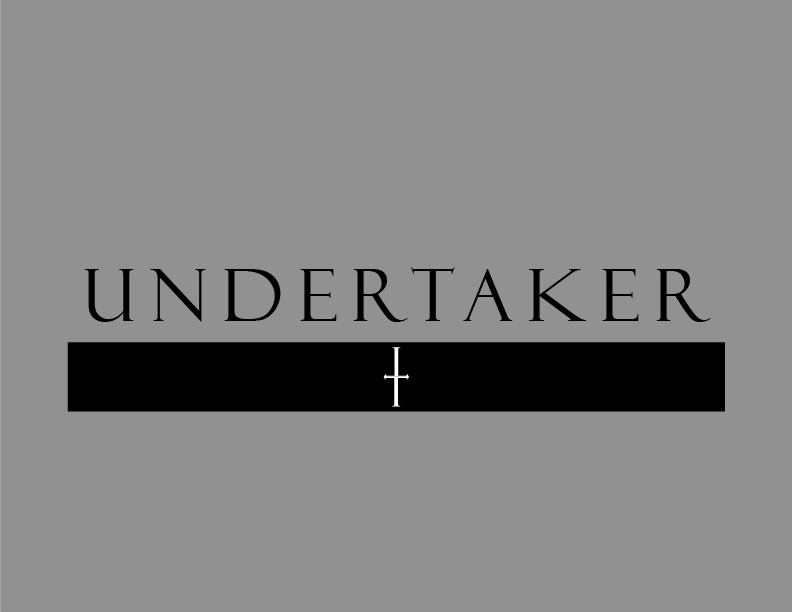
1. Line - Undertaker

Line is the most basic parts of design. It can be straight, curved, thick, thin, long, short, or even implied by the way objects are arranged.

2. Shape - Undertaker

Shapes are two-dimensional forms with height and width. They can be geometric with hard edges and clean edges, or organic with softer, more natural forms.

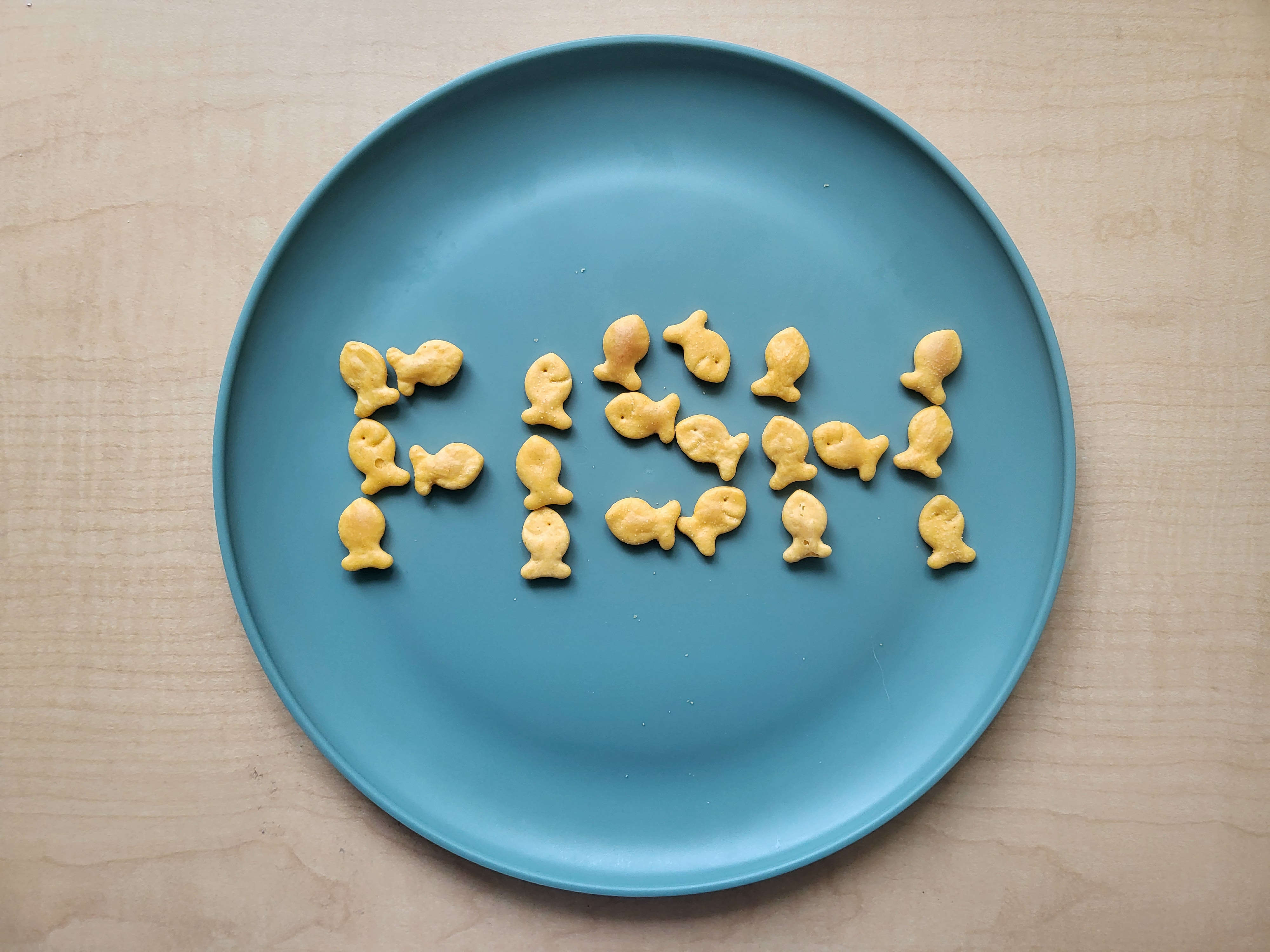
3. Form - Fish

Form takes shape one step further by adding depth, turning a flat object into something that feels three-dimensional.

4. Color - Fish

Color is created by light reflecting off a surface and plays a huge role in how a design feels. The three main parts of color are:

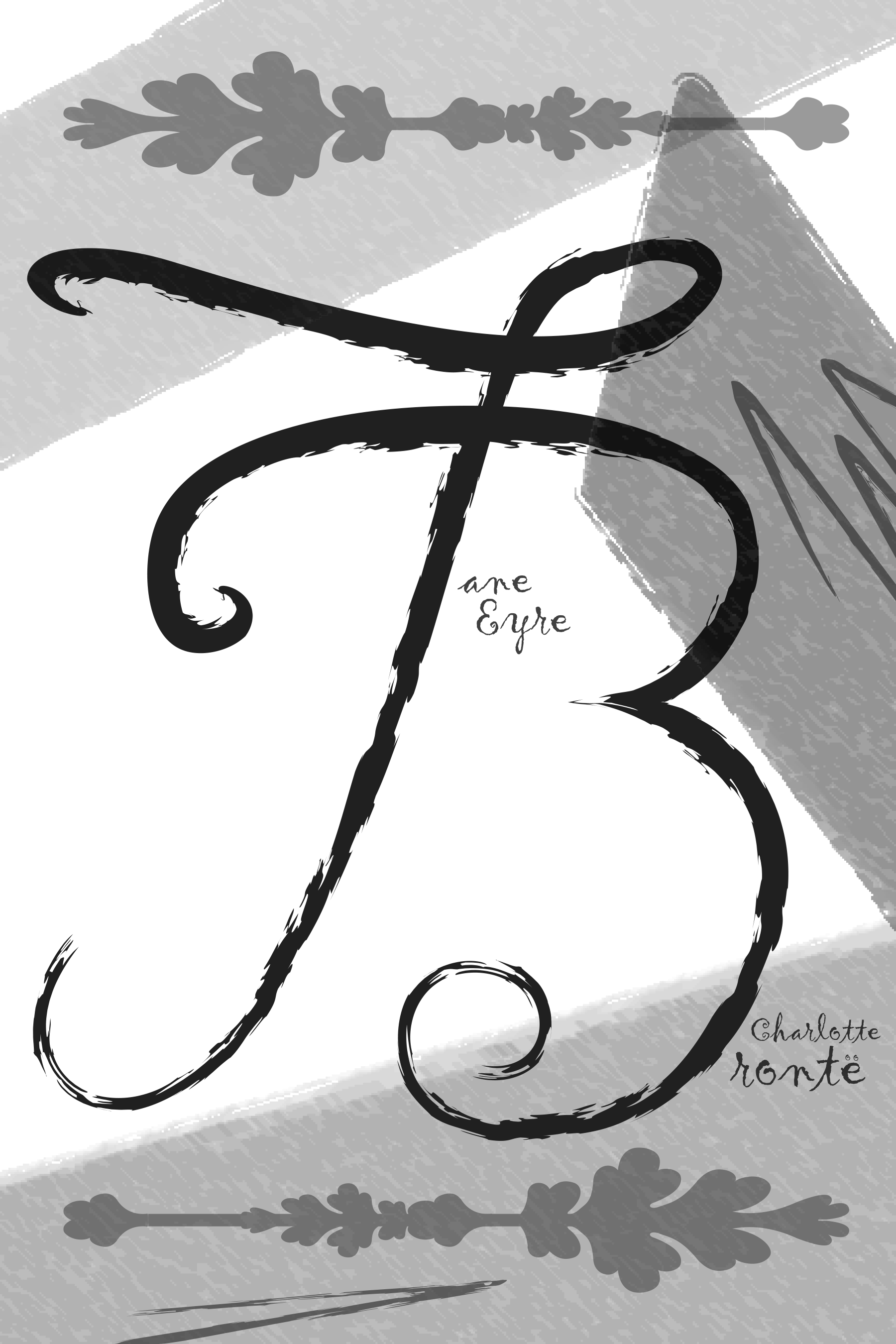
5. Value - Jane Eyre

Value refers to how light or dark a color is, and changes in value help create contrast, depth, and contour within a composition.

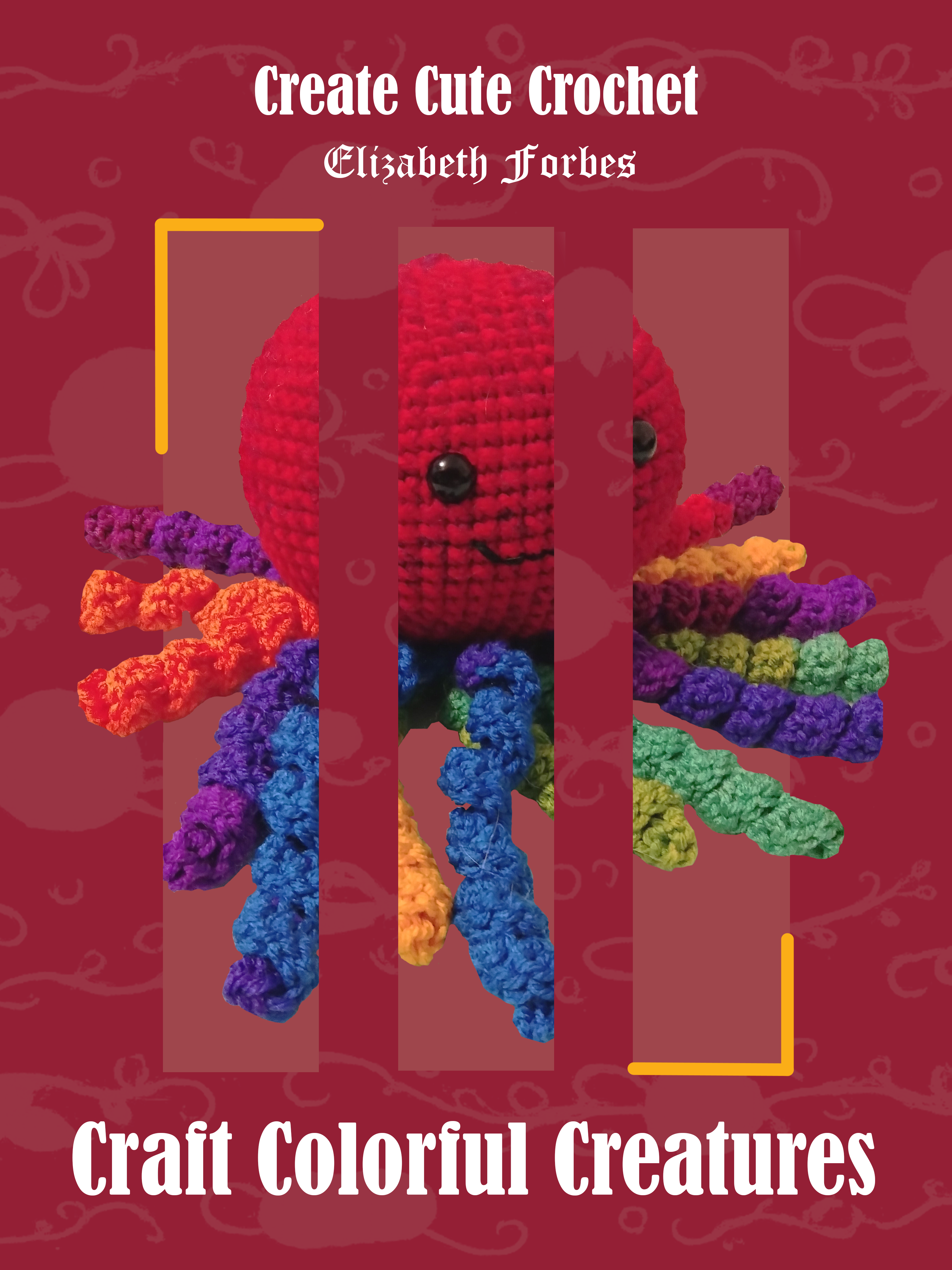
6. Space - Cute Crochet

Space is the area around, between, and inside objects in a design:

7. Texture - Cute Crochet

Texture is the surface quality of an object, whether it is physically felt or visually implied, and it helps add detail and realism to a piece.
Princibles of Design

1. Balance - Geometric Shapes

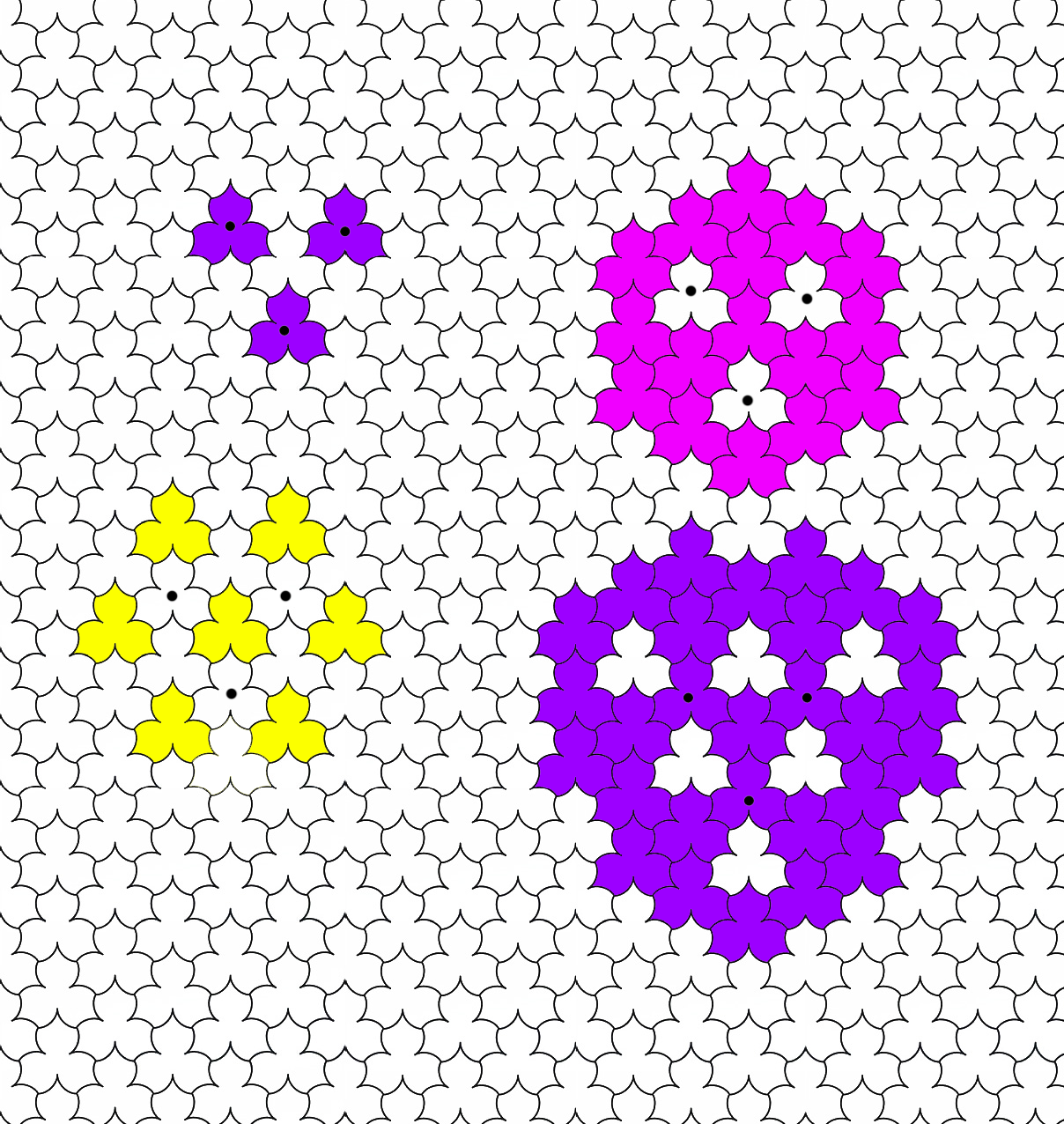
Balance is how visual weight is distributed throughout a design using objects, color, texture, and space.

2. Emphasis - Mouse Prince

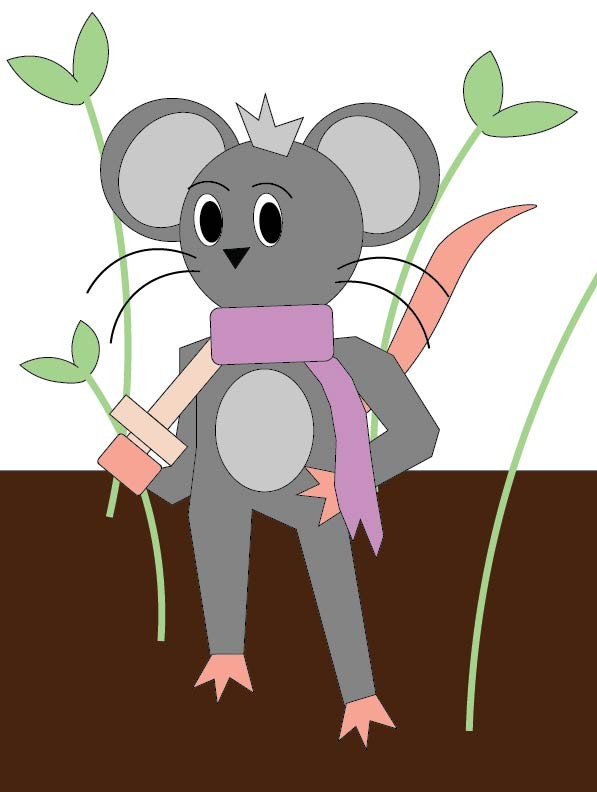
Emphasis is what draws the viewer’s attention first. Designers create emphasis through contrast in things like size, color, shape, or texture to make certain areas stand out more than others.

3. Movement - Mouse Prince

Movement is the path the viewer’s eye follows through a design and helps guide attention toward important focal points or create a sense of action.

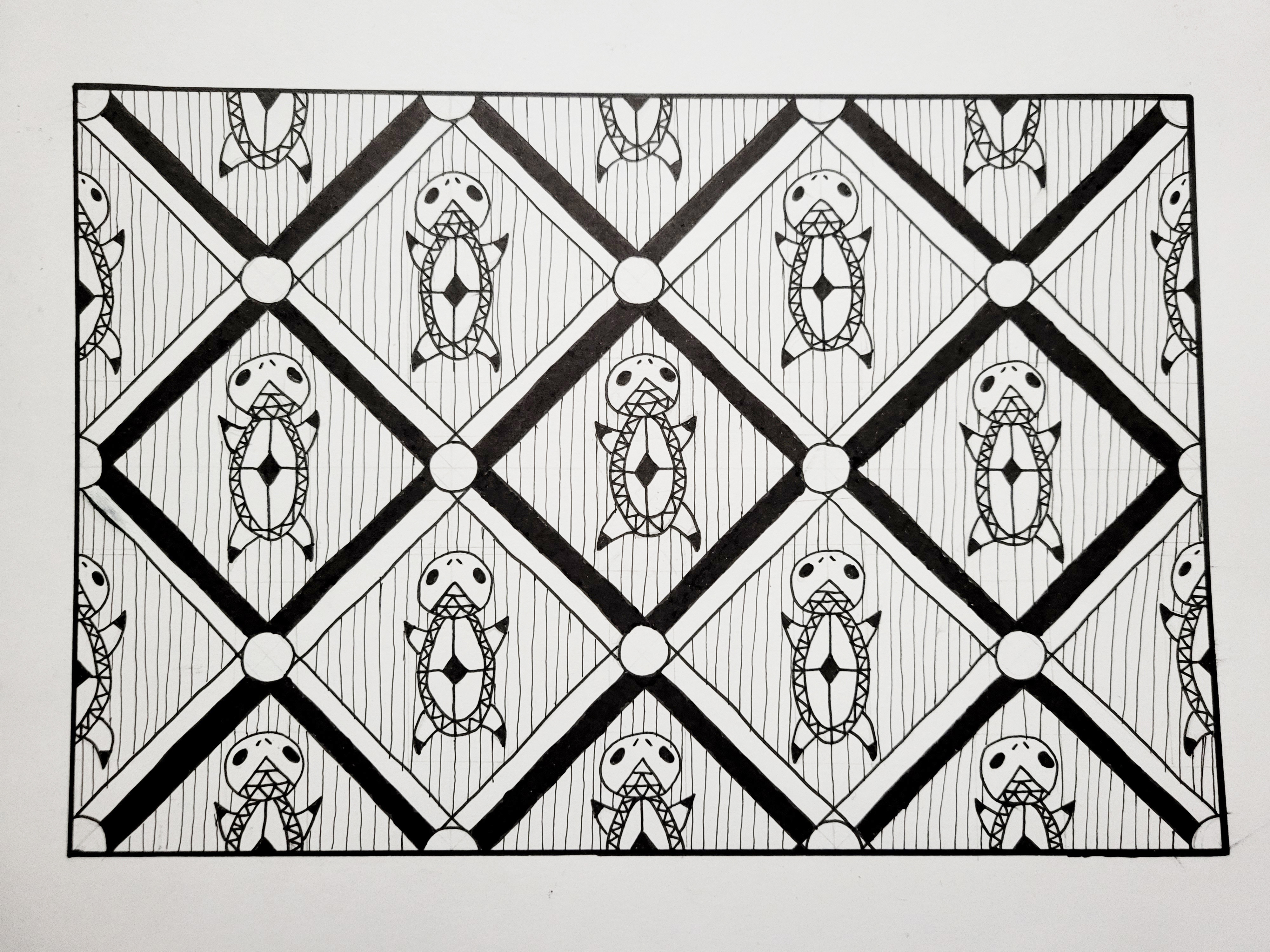
4. Pattern & Repetition - Turtle Pattern

Pattern and repetition work together by repeating visual elements throughout a composition to create consistency and energy.

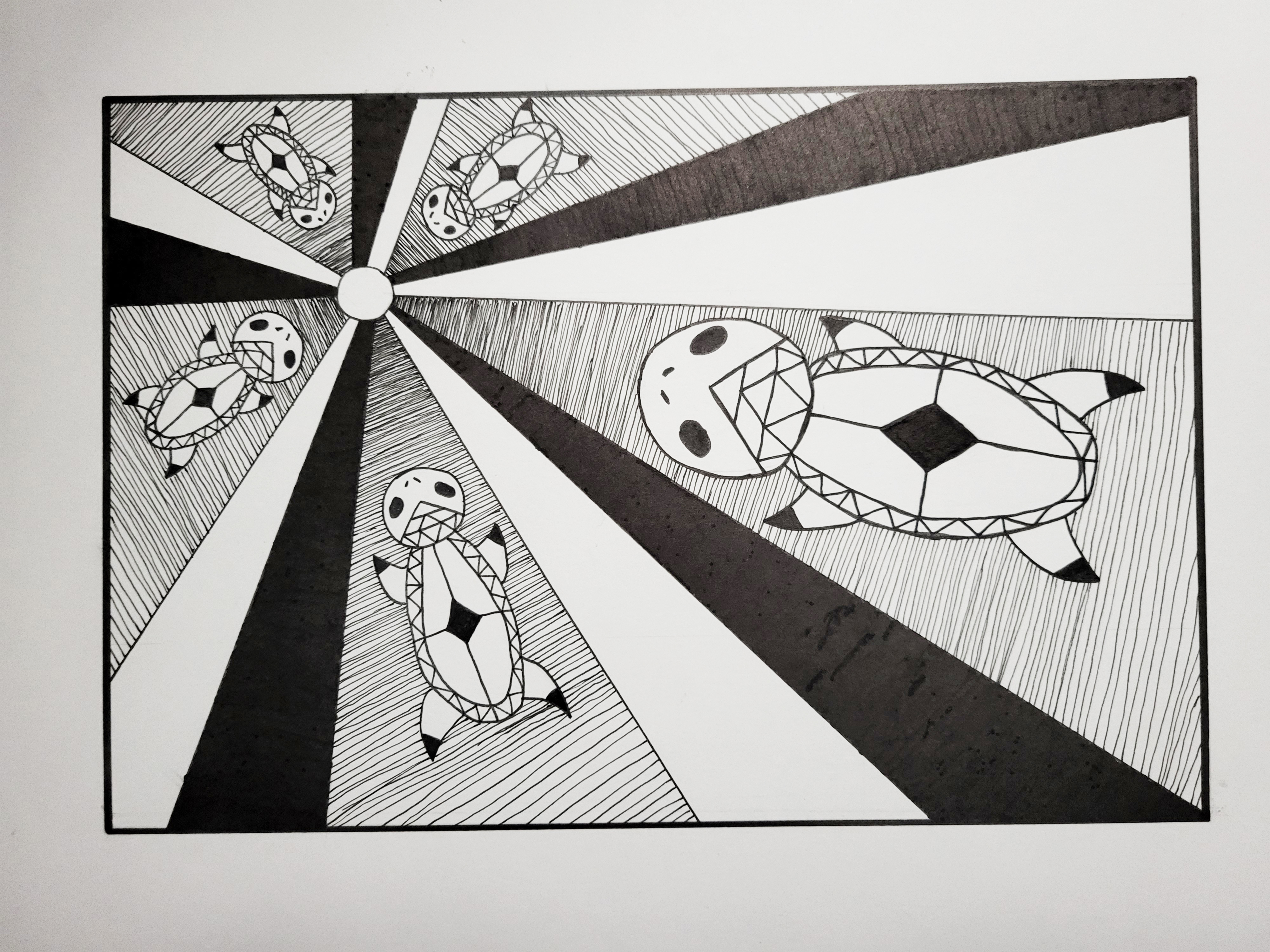
5. Rythm - Turtle Radial

Rhythm builds off repetition to create a visual pace or organized movement within the design.

6. Proportion - Turtle Radial

Proportion refers to the relationship in size and scale between different elements and helps maintain visual balance.

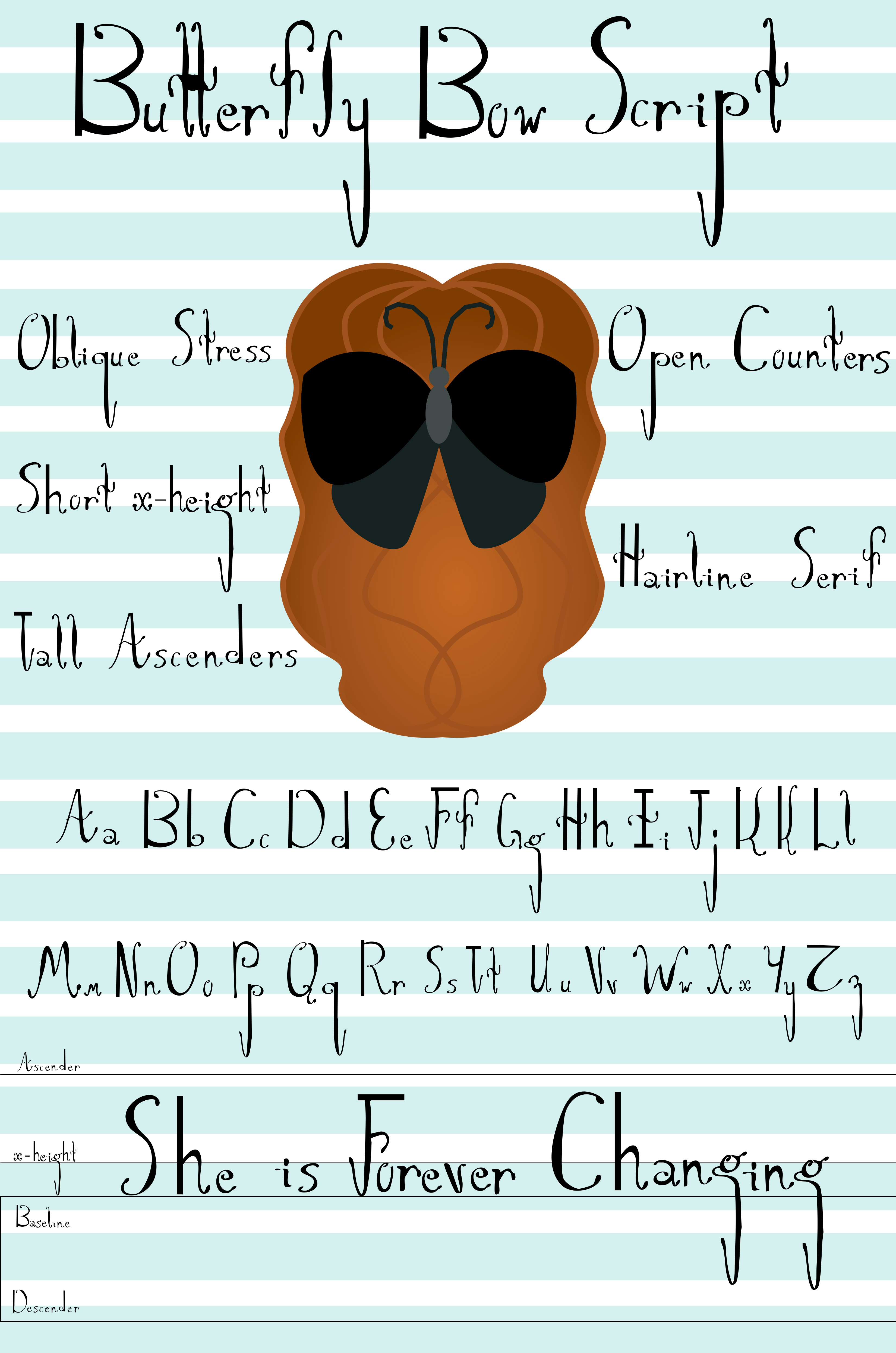
7. Variety - Butterfly Script

Variety keeps a design interesting by using different elements to hold attention and move the viewer’s eye around the composition.

8. Unity - Butterfly Script

Unity ties everything together and creates a sense of harmony so the entire design feels complete rather than disconnected.